COVID-19 Update
September 9, 2021 | 6 min. to read

Today’s issue features a Q&A about the delta variant with Northwestern Medicine Infectious Disease specialist Michael Ison, MD, as well as an update on vaccine availability at NM Immediate Care Centers. It also includes details about the upcoming virtual Vaccine Town Hall and a reminder to submit questions for the event, as well as reminders to continue to complete the NM symptom attestation and the COVID-19 Hotline Triage Questionnaire if you are exposed to or experiencing symptoms of COVID-19.
DELTA VARIANT Q&A
NM Infectious Disease Specialist Michael Ison, MD, addresses concerns about COVID-19 and the delta variant. Dr. Ison is assisting with NM’s response to the COVID-19 pandemic, and has been instrumental in establishing clinical protocols and leading research across the system.
Q: What makes the delta variant more virulent than the original strain of the virus?
A: We know that the viral load in people infected with the delta variant (B.1.617.2) is 1,000 times higher than those infected with the original strain of the SARS-CoV-2 virus. It also includes mutations in the spike protein that make it extremely effective at binding to human cells and gaining entry to the body. These two factors alone mean that a much larger dose of the virus is binding better to human cells resulting in a significantly higher risk of infection and transmissibility. When combined with not masking regularly and gathering in larger crowds in restaurants and bars the delta variant has a greater opportunity to infect more people.
Q: How much more infectious is the delta variant?
A: Since the viral loads in the nasopharynx of patients upon initial infection with delta are 1,000 times higher than those infected with the original strain, the time it takes to replicate is faster. As a result, people infected with the delta variant typically shed more f virus and are contagious early in the disease process, often before they start experiencing symptoms.
The delta variant has an extremely high transmissibility rate, suggesting that each individual who is infected with the variant will spread the virus to between 5-8 others. For comparison, chickenpox and measles are two of the few diseases that spread this effectively from human to human.
Q: Why are more young people being infected with the delta variant?
A: The delta variant is infecting more young people than previous strains of the virus simply because it invades the body with a much higher viral load and is more effective at binding to human cells.
Q: How effective are the COVID-19 vaccines against the delta variant?
A: Vaccines produce two lines of defense in the human body. The first is in the form of antibodies, which neutralize the virus by binding to it and thus preventing infection. The second form of defense that vaccines produce assists the body build its cellular immune response in the form of B cells and T cells. This two-tiered cellular response is key to why vaccinated individuals infected with delta have a milder disease.
T cells then quickly ramp up to attack the virus and remove it from the body. So even if the antibodies produced by the vaccine and the body’s B cells have inadequate binding with a new mutated virus strain, such as delta, the T cells will become activated and clear the virus from the body.
The COVID-19 vaccines give the body the ability to attack the virus with two weapons, B and T cells. As a result, vaccinated individuals who become infected will clear the virus much faster, which results in a reduction in severity of illness and a significant decrease in risk of mortality.
Q: Since the delta variant is so much more virulent and is the source of most new infections, how can people protect themselves?
A: The most important thing people can do is get vaccinated.
The other important things people can do is to follow the Centers for Disease Control and Prevention guidelines and continue to take all of the precautions that we know are effective:
VACCINE AVAILABILITY UPDATE
NM Immediate Care Centers will continue to offer the Johnson & Johnson COVID-19 vaccine on a walk-in basis every day until our existing supplies are gone. Once Johnson & Johnson supplies are gone, each ICC will begin to offer the Pfizer-BioNTech vaccine. Please visit the COVID-19 Vaccines page on nm.org for daily updates to the list of locations where Johnson & Johnson is still available.
Please note:
Walk-in vaccine hours and addresses for all NM ICCs can be found on the COVID-19 Vaccines page on nm.org.
SAVE THE DATE AND SUBMIT QUESTIONS FOR THE COVID-19 VACCINE TOWN HALL
A live, virtual Town Hall event will be offered on September 16, at noon, giving physicians and employees the opportunity to get answers to their questions about COVID-19 vaccines. The 30-minute Teams event will feature NM clinical experts.
Please submit questions here prior to the event. Questions also can be typed in the chat during the event.
The session will be recorded and posted on NM Interactive for those who are unable to attend. Registration will not be required, but attendees will need to be logged in to the NM network to access the event.
SYMPTOM ATTESTATION AND COVID-19 HOTLINE EMPLOYEE TRIAGE QUESTIONNAIRE
Please remember that symptom attestation is required daily when you are working on-site at any NM facility, including all locations in the South Region and can be accessed via the NM Workforce app or through the NM Symptom Check website.
Anyone experiencing symptoms of COVID-19 should stay home and fill out the COVID-19 Hotline Employee Triage Questionnaire, rather than calling the hotline. Filling out the questionnaire will ensure a faster response.
For the latest information about workforce vaccination and updated guidelines, please continue to visit the COVID-19 pages on Physician Forum and NMI (login required).
________________________________________________________________________________________________
COVID-19 infection rates likely will continue to rise through fall, and we will also begin to see flu and other influenza like illnesses. I encourage you to take the time you need to recharge and take care of your own personal well-being, so together we will be better able to face the challenges that lie ahead.
DELTA VARIANT Q&A
NM Infectious Disease Specialist Michael Ison, MD, addresses concerns about COVID-19 and the delta variant. Dr. Ison is assisting with NM’s response to the COVID-19 pandemic, and has been instrumental in establishing clinical protocols and leading research across the system.
Q: What makes the delta variant more virulent than the original strain of the virus?
A: We know that the viral load in people infected with the delta variant (B.1.617.2) is 1,000 times higher than those infected with the original strain of the SARS-CoV-2 virus. It also includes mutations in the spike protein that make it extremely effective at binding to human cells and gaining entry to the body. These two factors alone mean that a much larger dose of the virus is binding better to human cells resulting in a significantly higher risk of infection and transmissibility. When combined with not masking regularly and gathering in larger crowds in restaurants and bars the delta variant has a greater opportunity to infect more people.
Q: How much more infectious is the delta variant?
A: Since the viral loads in the nasopharynx of patients upon initial infection with delta are 1,000 times higher than those infected with the original strain, the time it takes to replicate is faster. As a result, people infected with the delta variant typically shed more f virus and are contagious early in the disease process, often before they start experiencing symptoms.
The delta variant has an extremely high transmissibility rate, suggesting that each individual who is infected with the variant will spread the virus to between 5-8 others. For comparison, chickenpox and measles are two of the few diseases that spread this effectively from human to human.
Q: Why are more young people being infected with the delta variant?
A: The delta variant is infecting more young people than previous strains of the virus simply because it invades the body with a much higher viral load and is more effective at binding to human cells.
Q: How effective are the COVID-19 vaccines against the delta variant?
A: Vaccines produce two lines of defense in the human body. The first is in the form of antibodies, which neutralize the virus by binding to it and thus preventing infection. The second form of defense that vaccines produce assists the body build its cellular immune response in the form of B cells and T cells. This two-tiered cellular response is key to why vaccinated individuals infected with delta have a milder disease.
T cells then quickly ramp up to attack the virus and remove it from the body. So even if the antibodies produced by the vaccine and the body’s B cells have inadequate binding with a new mutated virus strain, such as delta, the T cells will become activated and clear the virus from the body.
The COVID-19 vaccines give the body the ability to attack the virus with two weapons, B and T cells. As a result, vaccinated individuals who become infected will clear the virus much faster, which results in a reduction in severity of illness and a significant decrease in risk of mortality.
Q: Since the delta variant is so much more virulent and is the source of most new infections, how can people protect themselves?
A: The most important thing people can do is get vaccinated.
The other important things people can do is to follow the Centers for Disease Control and Prevention guidelines and continue to take all of the precautions that we know are effective:
- Wear a mask in public spaces, such as restaurants and bars, where you interact with people outside your household.
- Wear a mask when you are outdoors in large gatherings.
- Use hand sanitizer and sanitizing wipes, and avoid touching your face, especially if you live in an area with a high infection rate.
- Continue to watch for symptoms of COVID-19, especially if you’ve been in contact with someone who is sick.
- If you came into close contact with someone with COVID-19, get tested between three and five days after the date of exposure and wear a mask in public indoor settings for 14 days after exposure or until a negative test result.
- If you experience symptoms, get tested and stay home and away from others. If you test positive for COVID-19, isolate at home for 10 days.
VACCINE AVAILABILITY UPDATE
NM Immediate Care Centers will continue to offer the Johnson & Johnson COVID-19 vaccine on a walk-in basis every day until our existing supplies are gone. Once Johnson & Johnson supplies are gone, each ICC will begin to offer the Pfizer-BioNTech vaccine. Please visit the COVID-19 Vaccines page on nm.org for daily updates to the list of locations where Johnson & Johnson is still available.
Please note:
- All Immediate Care Centers will begin offering the Pfizer-BioNTech vaccine no later than September 22.
- Vaccinations at all NM ICCs will be for first and second doses only. Booster shots are not available at this time.
- The Pfizer-BioNTech vaccine is a two-dose vaccine. If a patient received their first dose at an NM ICC, they will receive need to return 21 days later for the second dose. Patients should keep this in mind when choosing the date of their first dose.
Walk-in vaccine hours and addresses for all NM ICCs can be found on the COVID-19 Vaccines page on nm.org.
SAVE THE DATE AND SUBMIT QUESTIONS FOR THE COVID-19 VACCINE TOWN HALL
A live, virtual Town Hall event will be offered on September 16, at noon, giving physicians and employees the opportunity to get answers to their questions about COVID-19 vaccines. The 30-minute Teams event will feature NM clinical experts.
Please submit questions here prior to the event. Questions also can be typed in the chat during the event.
The session will be recorded and posted on NM Interactive for those who are unable to attend. Registration will not be required, but attendees will need to be logged in to the NM network to access the event.
SYMPTOM ATTESTATION AND COVID-19 HOTLINE EMPLOYEE TRIAGE QUESTIONNAIRE
Please remember that symptom attestation is required daily when you are working on-site at any NM facility, including all locations in the South Region and can be accessed via the NM Workforce app or through the NM Symptom Check website.
Anyone experiencing symptoms of COVID-19 should stay home and fill out the COVID-19 Hotline Employee Triage Questionnaire, rather than calling the hotline. Filling out the questionnaire will ensure a faster response.
For the latest information about workforce vaccination and updated guidelines, please continue to visit the COVID-19 pages on Physician Forum and NMI (login required).
________________________________________________________________________________________________
COVID-19 infection rates likely will continue to rise through fall, and we will also begin to see flu and other influenza like illnesses. I encourage you to take the time you need to recharge and take care of your own personal well-being, so together we will be better able to face the challenges that lie ahead.
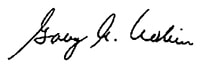

Gary A. Noskin, MD
Senior Vice President, Quality
Northwestern Memorial HealthCare
Chief Medical Officer
Northwestern Memorial Hospital
Senior Vice President, Quality
Northwestern Memorial HealthCare
Chief Medical Officer
Northwestern Memorial Hospital






© 2024 by Northwestern Medicine® and Northwestern Memorial HealthCare. Northwestern Medicine® is a trademark of Northwestern Memorial HealthCare.

|
Northwestern Memorial
312.926.2000 |
Central DuPage
630.933.1600 |
Lake Forest
847.234.5600 |
Delnor
630.208.3000 |
Kishwaukee
815.756.1521 |
Valley West
815.786.8484 |
Marianjoy
630.909.8000 |
|
©2024 by Northwestern Medicine® and Northwestern Memorial HealthCare. Northwestern Medicine® is a trademark of Northwestern Memorial HealthCare, used by Northwestern University.
|
|