Dimitri Krainc, MD, PhD, Spearheads Neurogenetics Program
November 18, 2021 | 3 min. to read
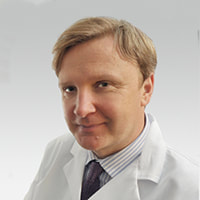
Northwestern Medicine Neurology has established the Northwestern Medicine Neurogenetics Program at Northwestern Memorial Hospital. Spearheaded by Neurology Department Chair Dimitri Krainc, MD, PhD, the goal of the program is to help patients with neurological conditions and their family members to make informed decisions about genetic testing, as well as understand results and next steps after testing.
“This program is a way to provide the genetic counseling piece of the puzzle for patients,” says Lisa M. Kinsley, MS, CGC, resource coordinator and genetic counselor in the program. “There are new genes being identified all of the time for many neurological conditions, and counseling can help patients to see the benefits of genetic testing and understand that it could even lead to genetic discoveries.”
The NM Neurogenetics Program is the only program of its kind in Illinois with a full-time genetic counselor on staff. The team includes highly experienced professionals in the fields of neurology and genetics, including specially trained neurologists, geneticists, genetic counselors and nurses.
Genetic testing for neurological disorders
By examining a patient’s DNA and identifying gene variants, genetic testing can confirm a suspected genetic condition, discover a genetic cause or determine a person’s chance of developing or passing on a genetic disorder. The disorders include:
Genetic testing could open the door for patients when it comes to informed healthcare decisions, family planning and potential eligibility for clinical trials.
Enhanced by genetic counseling
While genetic testing provides valuable health information, it can be a difficult decision for patients. With the guidance of a genetic counselor, patients and families can make an informed decision about genetic testing, determine the appropriate testing and prepare for results. “We know it's a big decision to get genetic testing and heavy news to receive, so we work to prepare patients on the front end,” says Kinsley. “We provide patients with research, information and a platform to discuss concerns.”
If a patient chooses to undergo testing, meeting with a genetic counselor helps patients to understand the implications of testing and interpret their unique results in the context of their personal and family medical history. Counselors explain the causes of inherited disorders and provide advice on next steps. "Results are not always so black and white," says Kinsley. "There is a major benefit to having someone that can partner with clinicians to reach patients and consult them about inconclusive results.”
Some patients rely on a genetic counselor to cope with their results. “Many people actually feel guilty when they discover they do not have the same genetic condition or risk as their other family members,” says Kinsley. “We normalize the guilt and remind patients that it's OK to feel however they feel. It's a complicated thing to get any kind of result.”
Referral information
For inquiries or referrals, please call 312.926.7950 or visit nm.org to meet the team. Learn more on nm.org: Genetic Counseling and Testing for Neurological Disorders Northwestern Memorial Hospital.
“This program is a way to provide the genetic counseling piece of the puzzle for patients,” says Lisa M. Kinsley, MS, CGC, resource coordinator and genetic counselor in the program. “There are new genes being identified all of the time for many neurological conditions, and counseling can help patients to see the benefits of genetic testing and understand that it could even lead to genetic discoveries.”
The NM Neurogenetics Program is the only program of its kind in Illinois with a full-time genetic counselor on staff. The team includes highly experienced professionals in the fields of neurology and genetics, including specially trained neurologists, geneticists, genetic counselors and nurses.
Genetic testing for neurological disorders
By examining a patient’s DNA and identifying gene variants, genetic testing can confirm a suspected genetic condition, discover a genetic cause or determine a person’s chance of developing or passing on a genetic disorder. The disorders include:
- Early-onset Alzheimer’s disease and dementia
- Movement disorders, including early-onset Parkinson’s disease and Huntington’s disease
- Epilepsy
- Amyotrophic lateral sclerosis
- Spinal muscular atrophy and other types of muscular dystrophy
Genetic testing could open the door for patients when it comes to informed healthcare decisions, family planning and potential eligibility for clinical trials.
Enhanced by genetic counseling
While genetic testing provides valuable health information, it can be a difficult decision for patients. With the guidance of a genetic counselor, patients and families can make an informed decision about genetic testing, determine the appropriate testing and prepare for results. “We know it's a big decision to get genetic testing and heavy news to receive, so we work to prepare patients on the front end,” says Kinsley. “We provide patients with research, information and a platform to discuss concerns.”
If a patient chooses to undergo testing, meeting with a genetic counselor helps patients to understand the implications of testing and interpret their unique results in the context of their personal and family medical history. Counselors explain the causes of inherited disorders and provide advice on next steps. "Results are not always so black and white," says Kinsley. "There is a major benefit to having someone that can partner with clinicians to reach patients and consult them about inconclusive results.”
Some patients rely on a genetic counselor to cope with their results. “Many people actually feel guilty when they discover they do not have the same genetic condition or risk as their other family members,” says Kinsley. “We normalize the guilt and remind patients that it's OK to feel however they feel. It's a complicated thing to get any kind of result.”
Referral information
For inquiries or referrals, please call 312.926.7950 or visit nm.org to meet the team. Learn more on nm.org: Genetic Counseling and Testing for Neurological Disorders Northwestern Memorial Hospital.






© 2024 by Northwestern Medicine® and Northwestern Memorial HealthCare. Northwestern Medicine® is a trademark of Northwestern Memorial HealthCare.

|
Northwestern Memorial
312.926.2000 |
Central DuPage
630.933.1600 |
Lake Forest
847.234.5600 |
Delnor
630.208.3000 |
Kishwaukee
815.756.1521 |
Valley West
815.786.8484 |
Marianjoy
630.909.8000 |
|
©2024 by Northwestern Medicine® and Northwestern Memorial HealthCare. Northwestern Medicine® is a trademark of Northwestern Memorial HealthCare, used by Northwestern University.
|
|